
New leaders fear that holding people accountable makes them mean. It doesn't. Here is why direct and kind were never opposites, and how to do both.

Two fears keep surfacing in my conversations, and the more I sit with them, the more I realize they are the same fear wearing two different uniforms.
Young professionals, many of them newly promoted, tell me they are afraid to hold their direct reports accountable.
They worry that setting a clear expectation, or naming a missed one, will get read as harsh.
Some have told me they would rather absorb the extra work themselves than risk being seen as difficult.
Students, meanwhile, are walking into the workforce with a different but related belief already baked in: that surviving the "real world" requires becoming someone tougher, someone harder, someone willing to be a little mean if that is what it takes to be respected.
I do not buy either version.
That is not preparation. That is dehydration.
Dehydration in a culture rarely announces itself.
Nobody sends a memo saying "we have decided that accountability and kindness cannot coexist here."
It shows up quietly, one avoided conversation at a time, one student who graduates believing warmth is a liability, until an entire generation of leaders is afraid of the very thing that would make them effective.
If you have ever sat across from a direct report and hesitated, or watched a promising new hire go quiet under pressure, you have already seen this pattern up close.
It did not start with you.
Somewhere in higher ed, in early leadership training, in the folklore that gets passed down from manager to manager, we started treating harshness as a rite of passage, and softness as a liability.
As if you had to pick one.
You do not. And that false choice is exactly what is making young professionals afraid to do their jobs.
Too many leaders, and too many people about to become leaders, think honesty requires harshness, and that support requires softness.
Neither is true.
You can hold someone to your highest standard and still walk them through how to reach it.
You can tell someone the truth about where they are falling short without leaving them to sink while they figure out how to fix it.
That combination, high standards plus real support, is not a contradiction.
It is the entire job. And it is the thing nobody is teaching before people are handed a title.
When I posted this idea last week, the comments taught me almost as much as the post did.
A few things people said have stuck with me.
One reader drew a distinction I have not stopped thinking about.
Nice and kind are not the same thing. Nice prioritizes comfort, keeping things pleasant in the moment. Kindness goes deeper. Sometimes the kindest thing a leader can do is give someone clear, honest feedback, even when it is an uncomfortable conversation to have. Avoiding that feedback might feel nicer in the moment, but it leaves someone without the information they actually need to grow. Accountability and care do not just coexist. In strong leadership, they have to.
Another reader put it even more simply, borrowing from Brené Brown: clear is kind, unclear is unkind.
That line comes from her book Dare to Lead, and it names the trap exactly.
If you are withholding the truth to spare someone's feelings, you are not being kind.
You are just being unclear, and calling it kindness.
And a third comment named something I think explains why this all works.
The hardest accountability conversations tend to go better when the other person can tell the standard is coming from someone who genuinely wants them to succeed. That is the difference. It was never really about how directly you deliver feedback. It is about whether the person on the other end can feel that you are for them.
If you are a young professional afraid that accountability makes you unkind, or a student who has already decided the workplace requires you to be someone you are not, I want you to hear this clearly.
You were never actually choosing between direct and kind.
That was never the real choice.
The real skill is learning to do both at once, and it is a skill, which means it can be built.
Your workplace culture is not broken. It is just dehydrated.
And the fix is not harder. It is more human.
What I have learned working with leaders on this exact fear is that detecting where someone is struggling, restoring what they need to keep going, and tending to their growth along the way are not willpower problems.
They are information problems.
You cannot detect where someone is struggling if you do not understand how they operate under stress.
You cannot restore what they need if you are guessing at what they value.
You cannot tend to their growth if you do not know what actually motivates them.
This is the gap I have spent years learning to read in a room. Twenty minutes into a conversation, I can feel where the pressure sits, who has gone quiet, what is being said in the meeting after the meeting. That read is a skill, but it is also slow, and it does not scale to a busy new manager trying to lead well on a Tuesday afternoon.
This is why The Predictive Index has become such a core tool in my work with clients.
It gives leaders a clear, objective read on how a person is wired, what drives them, how they handle pressure, and how they want to be managed.
It is the difference between hoping you are reading someone correctly and actually knowing.
Once you understand your people at that level, holding them accountable and supporting what they need to succeed stop being two different jobs.
They become the same job.
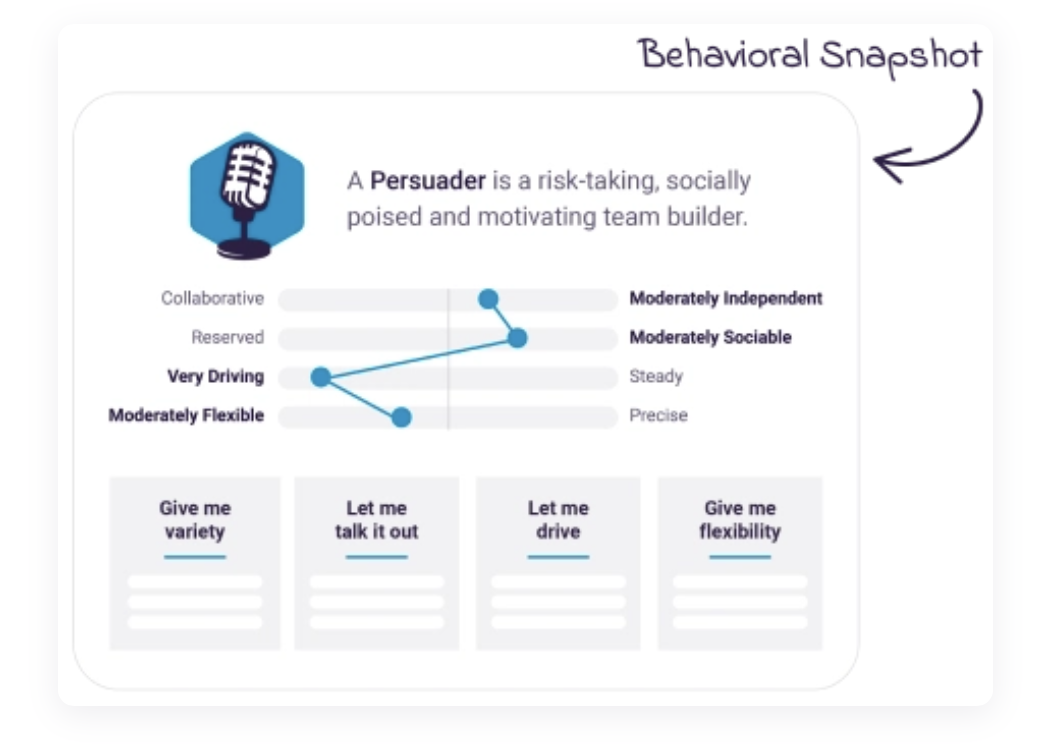
If this fear sounds familiar, whether you are leading a team or about to enter one, it is not just a feeling.
It is a fixable pattern, and the Predictive Index is one of the fastest ways to start closing the gap between what your people need and what you are currently giving them.
If you want help reading that gap in your own team, start a conversation with Premier Rapport.
Shelley D. Smith, the culture curator behind Premier Rapport, is its CEO and the author of Thirsty. A Certified Predictive Index Partner, executive coach, and speaker, she has spent 35+ years across hospitality, franchise operations, and organizational leadership helping companies detect and repair culture before it shows up in the numbers.
Learn more at premierrapport.com/about or start a conversation at premierrapport.com/contact.
Brené Brown, Dare to Lead. Origin of "clear is kind, unclear is unkind."
The Predictive Index. Behavioral assessment referenced for reading how people are wired, driven, and managed.
Does holding someone accountable make you a bad leader or a mean one?
No. Accountability and kindness are not opposites. Setting a clear expectation and naming a missed one is not harshness, it is clarity. The unkind move is withholding honest feedback and leaving someone without the information they need to grow. Strong leadership pairs a high standard with real support to reach it.
What is the difference between being nice and being kind at work?
Nice prioritizes comfort and keeping things pleasant in the moment. Kindness goes deeper. Sometimes the kindest thing a leader can do is deliver clear, honest feedback in an uncomfortable conversation, because avoiding it leaves the person without what they need to improve.
What does "clear is kind, unclear is unkind" mean for managers?
The phrase comes from Brené Brown's book Dare to Lead. It means that withholding the truth to spare someone's feelings is not kindness, it is a lack of clarity dressed up as kindness. Being explicit about expectations and gaps is the more caring choice because it gives the person what they need to succeed.
How can new managers hold people accountable without feeling harsh?
Deliver the standard from a place the other person can feel is for them. Hard accountability conversations land better when the person can tell the expectation comes from someone who genuinely wants them to succeed. Pair the honest feedback with a walkthrough of how to reach the standard so they are not left to sink.
How does the Predictive Index help leaders hold people accountable?
The Predictive Index gives leaders an objective read on how a person is wired, what drives them, how they handle pressure, and how they want to be managed. That removes the guesswork from detecting where someone is struggling, restoring what they need, and tending to their growth, which turns accountability and support into a single job instead of two.
Explore articles, case studies, and resources - crafted to keep you ahead.